KINISI
ABL FILMS PRESENTS

KINISI

High-Volume Digitisation for Scientific and Heritage Collections

Photo, video, and 3D at fixed settings. Every object processed the same way. Months, not years.

THE ACTUAL PROBLEM

The Object With No Image Doesn't Exist.

Most material held in natural history, archaeological, and archival collections has no image attached to its database record, where a database record exists at all. I've worked in collection environments; this is normal, not exceptional.

An object without a digital record is accessible only to researchers who already know exactly where it is. The expertise to document that material by hand is retiring faster than it's being replaced. The backlog is not getting smaller.

WHAT KINISI ACTUALLY IS

A Robot That Photographs the Same Way Every Time
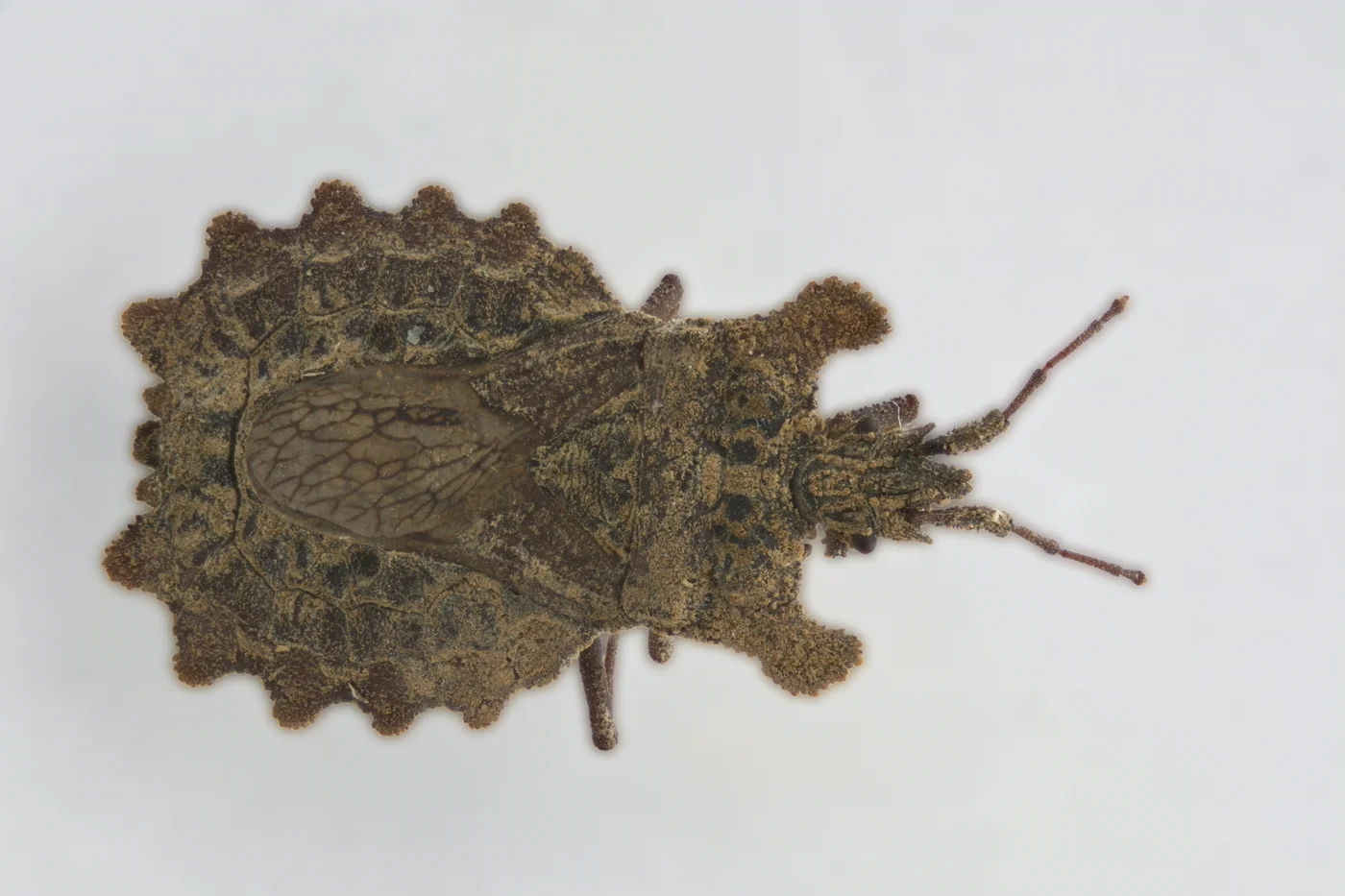
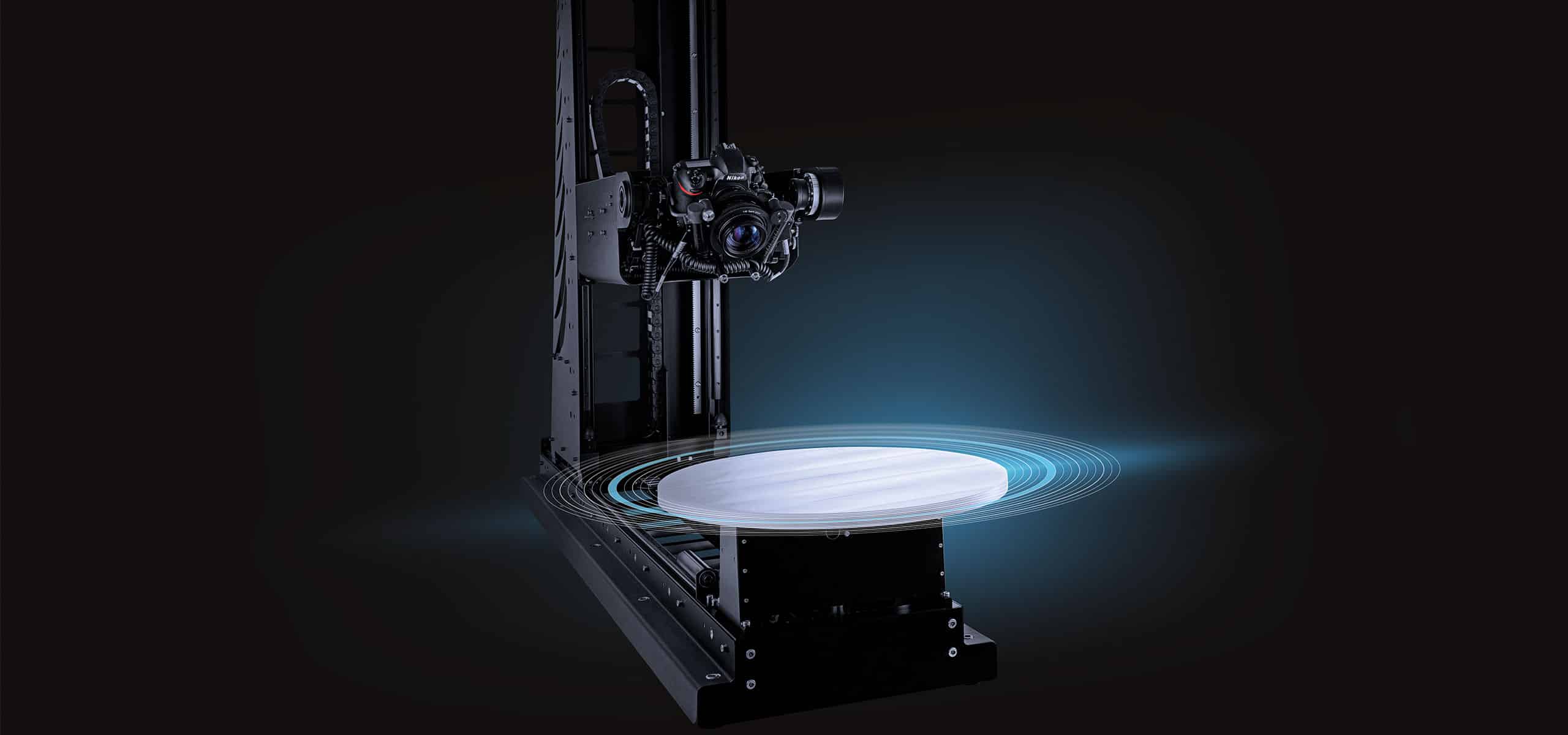
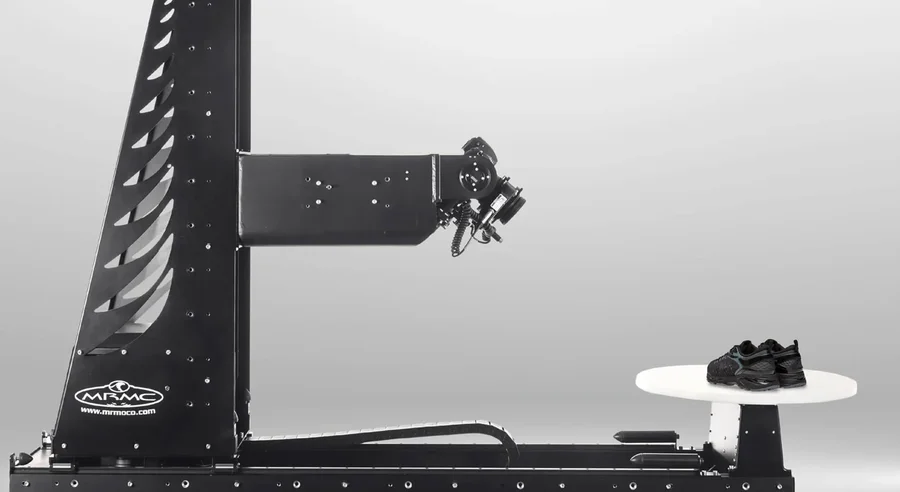
Consistency of capture is what makes digitisation at volume useful. KINISI runs a fixed, preprogrammed sequence: a 5-axis robot delivering the same angles, the same lighting, and the same order for every object on the rig.

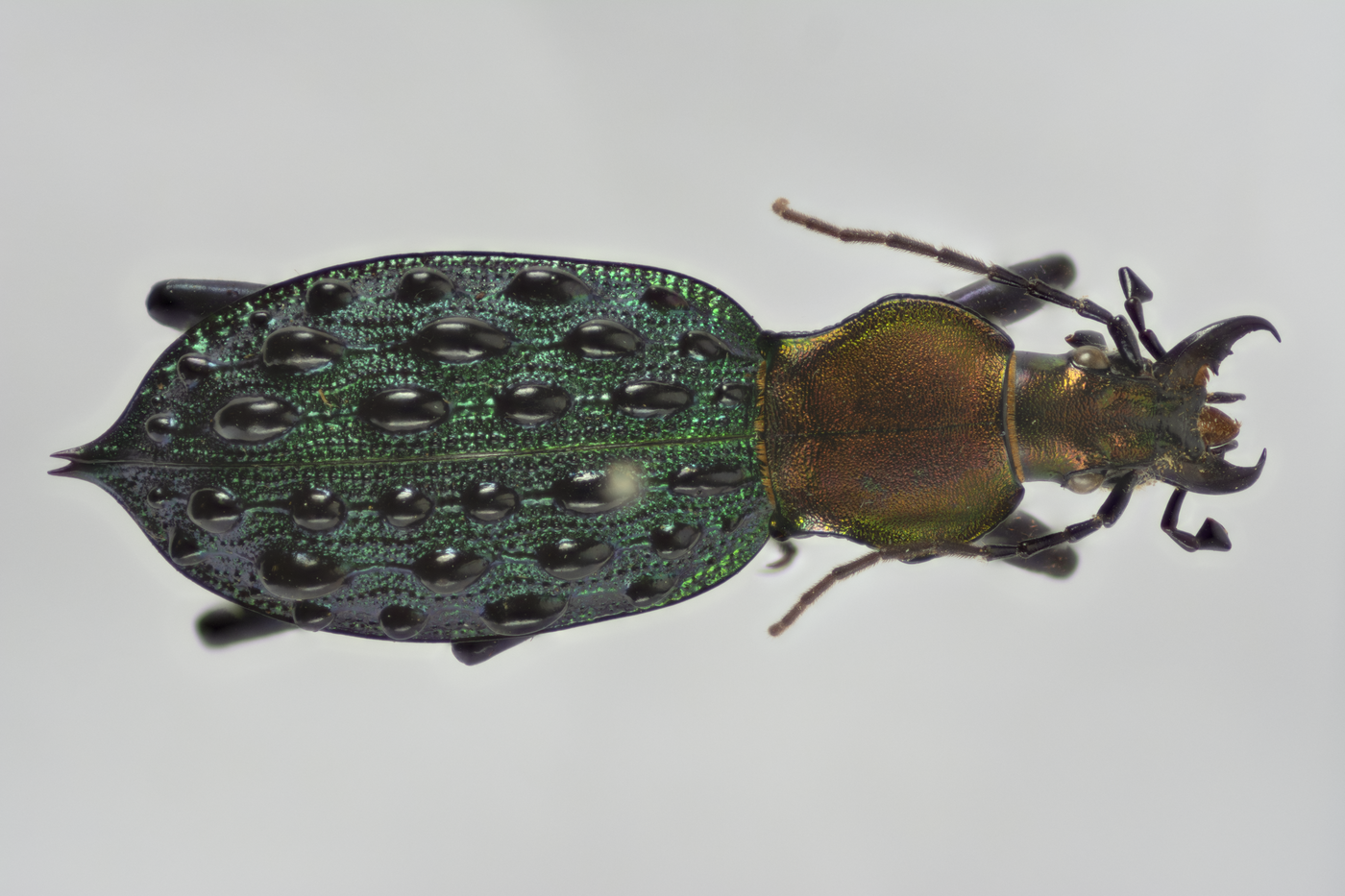
Focus-stacked macro photograph of an insect, a real KINISI photo output

Photography

Multi-angle stacks, merged into focus-stacked stills with full depth of field.

Video

The same sequence run as continuous footage, frame-identical to the stills pass.

3D Models

Photogrammetry or Gaussian Splatting reconstruction from the full angle set.

CASE STUDY: SENCKENBERG MUSEUM (DRESDEN / FRANKFURT / BERLIN)

Where This Actually Got Tested

Whole beetle specimen, dorsal view, roughly 1cm, from the Senckenberg capture run
~1cm · whole specimen
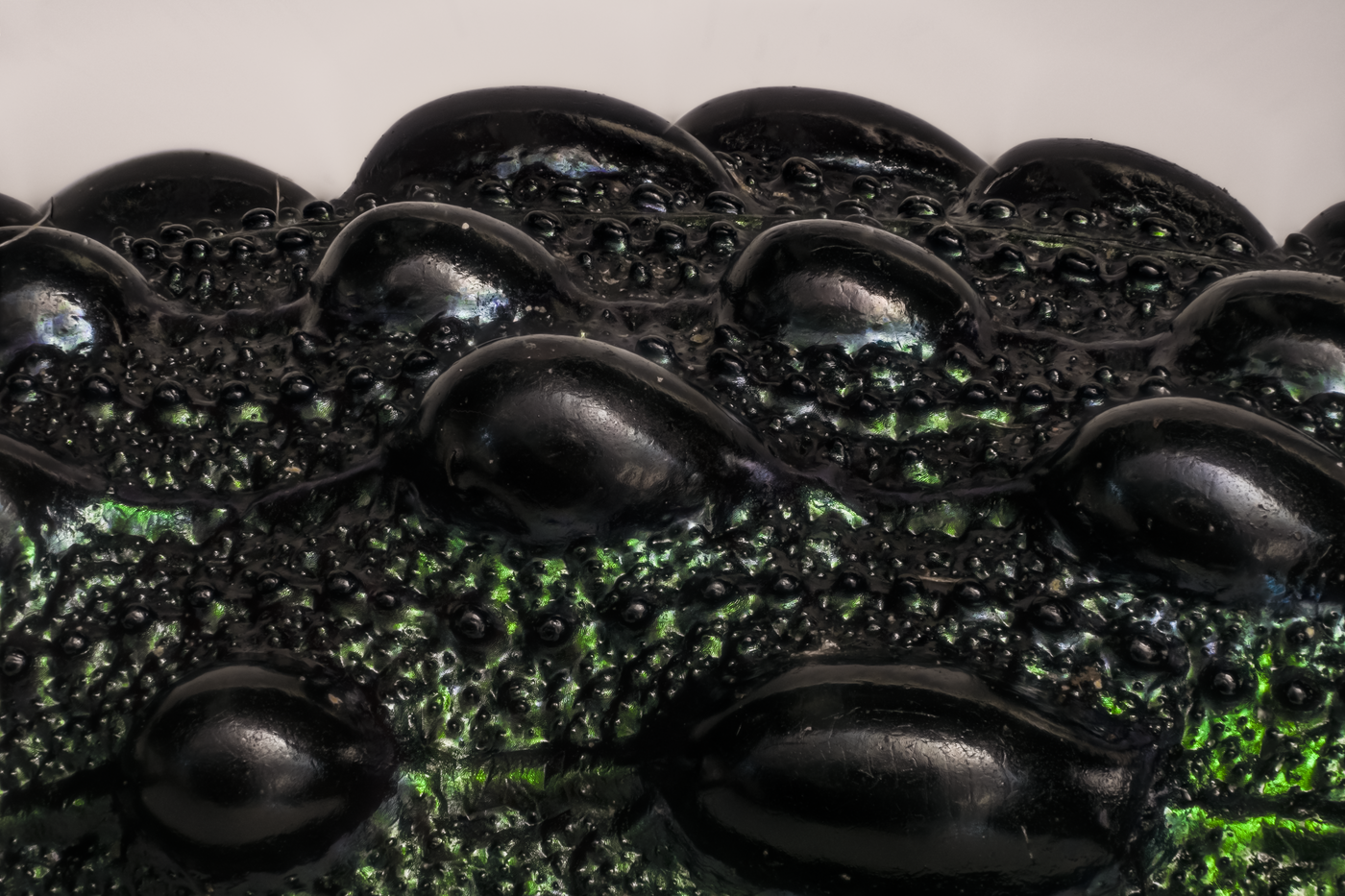
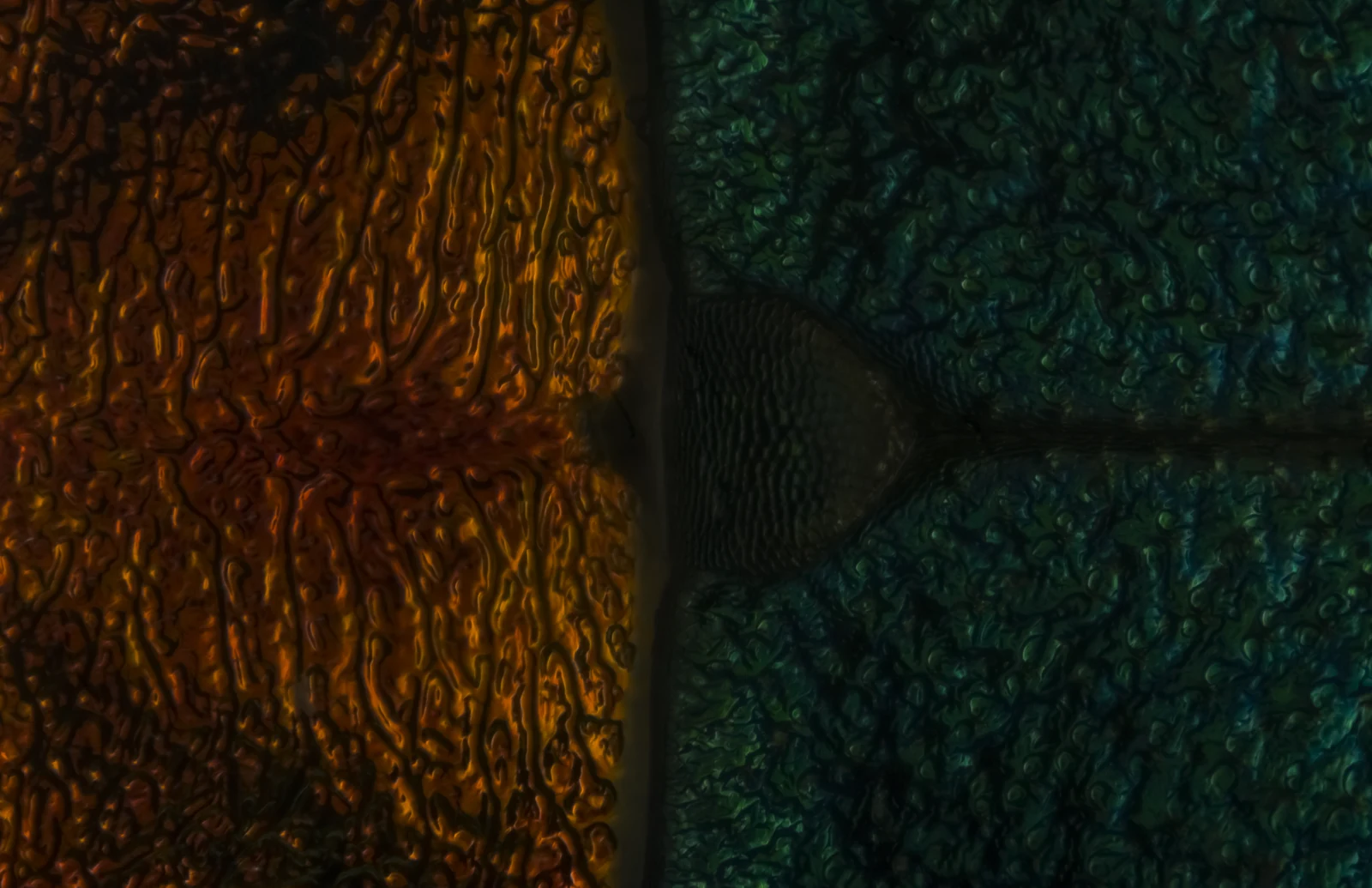
Elytra surface detail of the same beetle, roughly 0.5cm, focus-stacked
~0.5cm · elytra detail
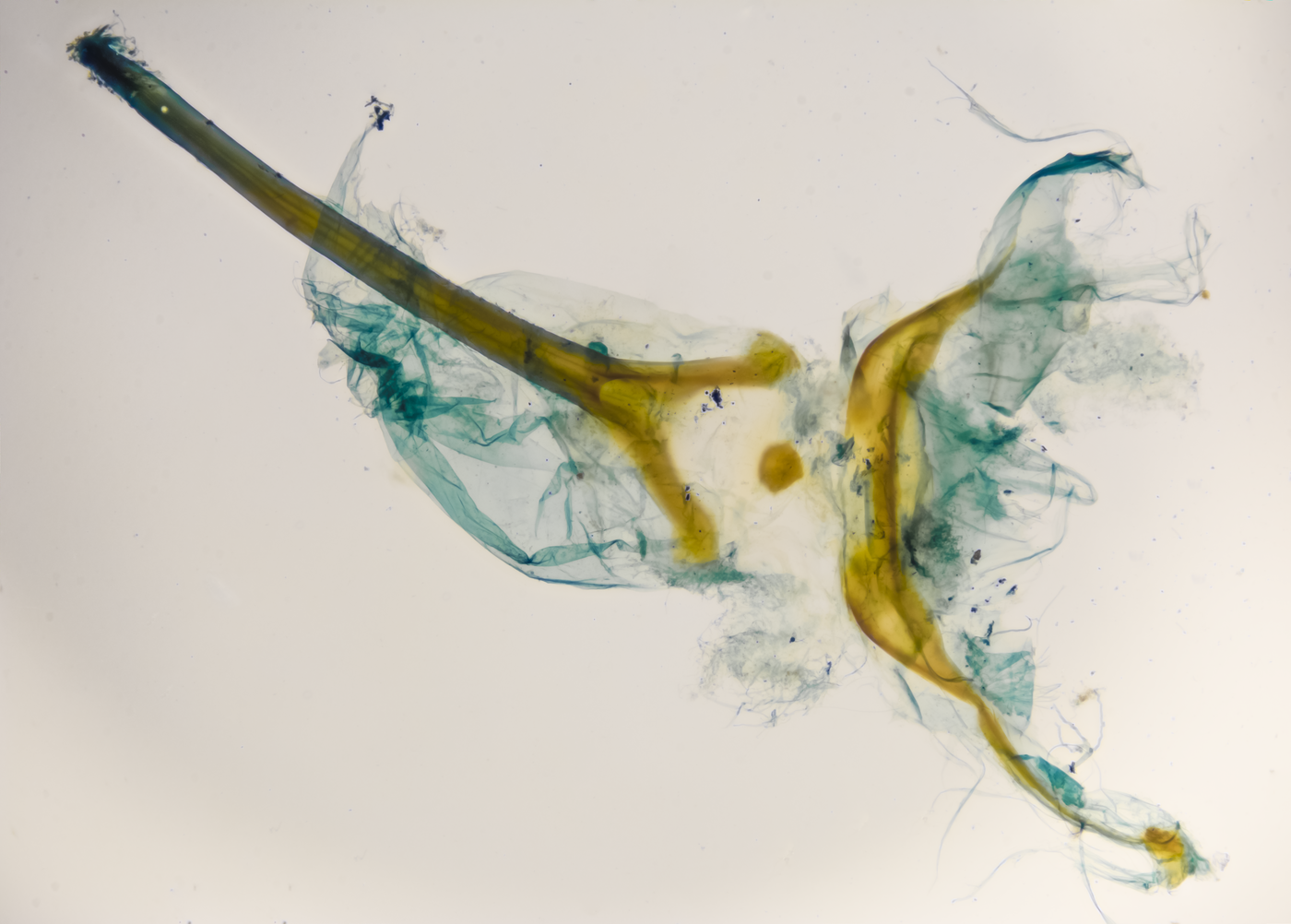
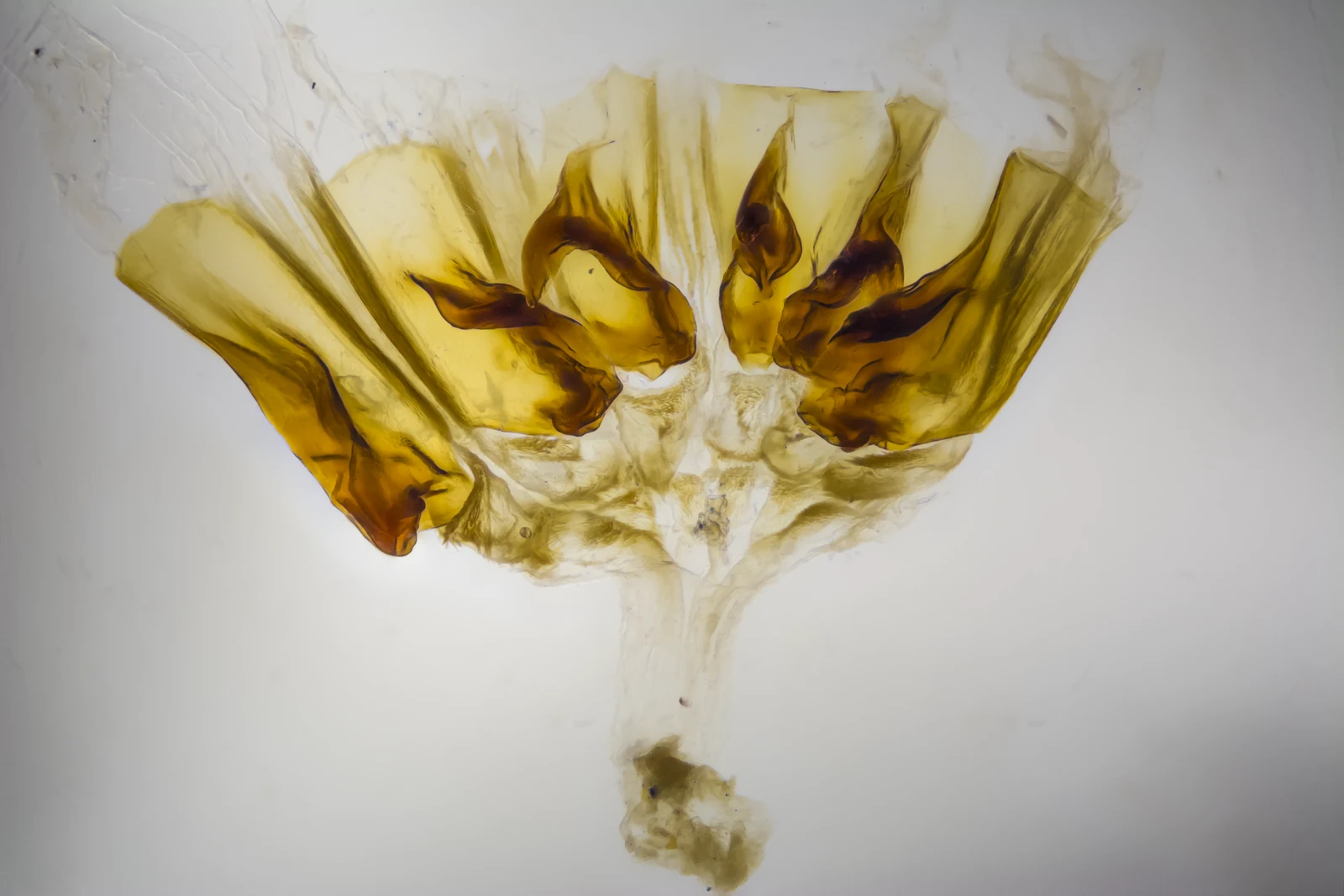
Dissected genitalia mount of the same beetle, sub-millimetre detail
sub-mm · genitalia mount

Thousands of specimens, sub-millimetre to over 4cm, captured on the same rig without re-tooling, delivered straight into Senckenberg's AQUILA database in months rather than the years a manual equivalent would have taken. I worked on that project myself. The collection happened to be beetles; the job (consistent capture, at volume, integrated into a working database) is identical whether the backlog is fossils, artefacts, or anything else worth keeping a record of.

REAL OUTPUT, NOT MOCKUPS

See It Move. Rotate It Yourself.

Video
3D Model · drag to rotate

Both pulled from real KINISI capture runs: continuous turntable footage of a Roman terracotta oil lamp, and a photogrammetry reconstruction of a cup, the clearest way to show motion and surface fidelity without a slide full of adjectives.

WHAT THE RATE ACTUALLY BUYS YOU

Ten Objects an Hour.

KINISI sustains that rate across a working run. Here is what it compounds to over a month:

0
objects captured
101 hour
801 day
4001 week
1,7601 month

Illustrative, based on a sustained rate of 10 objects/hour across an 8-hour day, 5-day week. Real collections vary: object size, fragility, and the formats you need all change the maths.

WHY CAPTURE QUALITY MATTERS HERE SPECIFICALLY

Objects Get Re-examined. Plan For It.

  • 01Collections get revisited (a new dating technique, a provenance question, a re-attribution, an exhibition nobody had planned when the object was first catalogued), so the capture has to be good enough to support questions nobody's asked yet.
  • 02One master capture, done properly, can feed an archive record, an exhibition label, an AR model, and a published figure without ever re-touching the object.
  • 03Delivered as archival masters (TIFF, AVI, FBX) plus ready-to-use compressed copies (JPG, MP4, GLB), benchmarked against FADGI or another named standard if your institution requires it. Full specification in the appendix slides ahead.
FROM CAPTURE TO CATALOGUE

The Job Doesn't End at the Image File

A capture that just sits in a folder isn't digitisation, it's photography. Having worked inside a scientific database myself on the Senckenberg project, what I actually care about is what happens after the shutter: every photo, video, and 3D model linked against a structured record, not handed over as a loose batch of files.

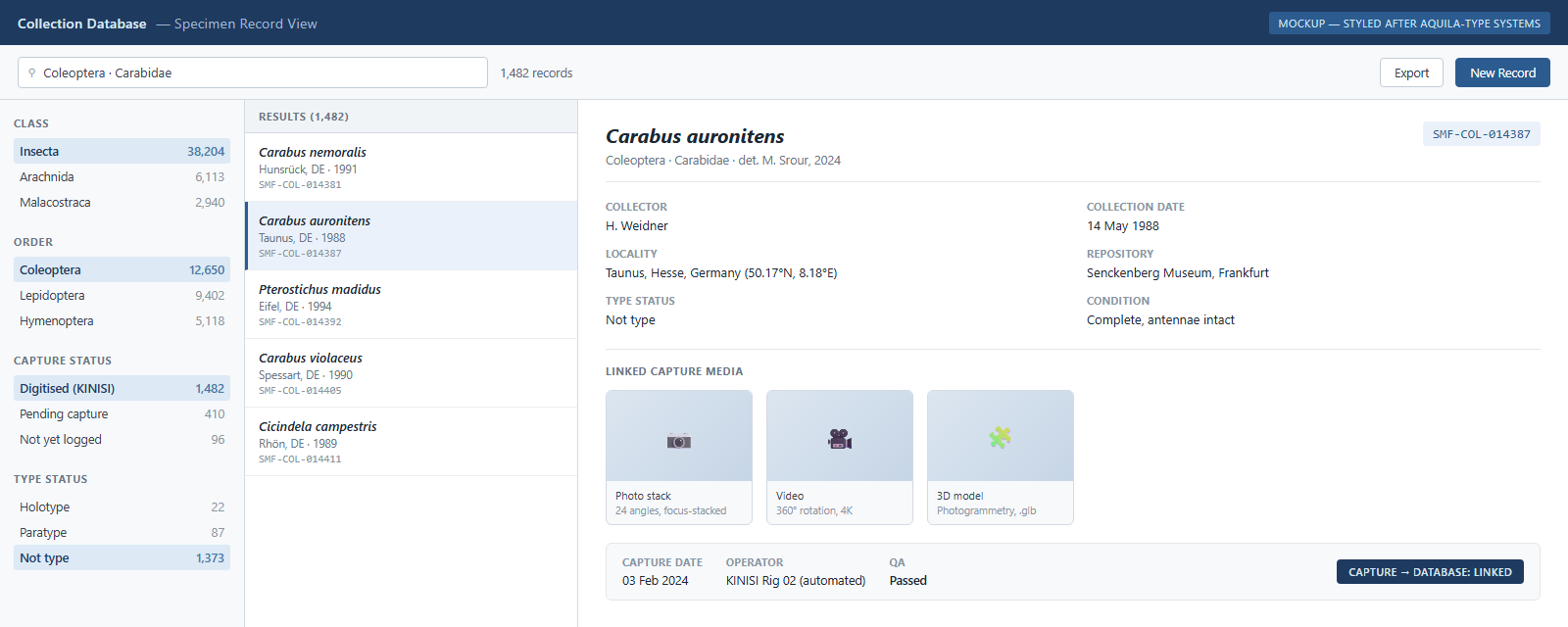
Mockup of a scientific collection database record, in the style of Senckenberg's AQUILA, showing a specimen entry with linked KINISI photo, video, and 3D capture files

Illustrative mockup styled after the kind of system AQUILA represents, not a live database: a record with capture outputs attached and queryable, the same end point Senckenberg's beetles went to.

HOW IT ACTUALLY WORKS

Four Steps, Not a Black Box

01

Intake & Cataloguing

Objects logged against your existing collection management system before anything gets touched.

02

Capture

KINISI shoots photo, video, and/or 3D at settings fixed in advance and held identical across the run.

03

Processing & QA

Every output checked for focus, exposure, and completeness, not just rendered and shipped.

04

Delivery & Integration

Files delivered in your required formats, linked directly into your database.

THE DETAIL BEHIND THE PITCH

What "High Quality" Means Here

  • 01Photography: 24-megapixel captures, multi-angle stacks merged into focus-stacked stills. A colour reference target is shot once per session, not per object, to calibrate colour across the run; scale is overlaid afterwards from the rig's own real coordinates, not a ruler placed in shot. For larger or flat-format objects (paintings, murals, oversized panels), the same rig stitches multiple passes into a single gigapixel image, so resolution doesn't fall off as object size goes up.
  • 023D: texture resolution held at 4K. Mesh density is set per object, not one fixed number, a coin and a cup don't need the same triangle count.
  • 03Standards: benchmarked against FADGI, Metamorfoze, or whatever your own imaging officer already works to, agreed before the job starts.
WHAT HAPPENS TO THE OBJECT

The Questions Your Registrar Will Ask

  • 01Handling: done either by me directly or by the institution's own staff, whichever each institution's protocol requires. Every project to date has run with me working alone; no larger team stands behind the rig yet.
  • 02Files: masters delivered as TIFF (photo), AVI (video), and FBX (3D), chosen to stay legible in decades rather than years, alongside a JPG/MP4/GLB compressed set for everyday use.
WHO OWNS THE RESULT, AND HOW IT FITS YOUR DATABASE

Nothing Stays With Me Afterwards

  • 01Ownership: the museum owns everything, raw captures included, not just the processed deliverables.
  • 02Database: I don't build to one fixed schema. Senckenberg's integration worked because I adapted to AQUILA's own structure, not the other way round. Direct working experience with Darwin Core for natural history collections; the same schema-agnostic approach applies to CIDOC-CRM or whatever an archaeological collection already runs.
FOR YOUR OWN FUNDING CASE

Text You Can Lift Into Your Application

Everything above argues this is worth doing. A funding panel needs a different case, in a different voice. Copy the paragraph below straight into your own application if it helps.

Copy-ready

Digitising this backlog extends who can use the collection. Material only specialists can currently find becomes available to remote researchers without a visit, to schools and public audiences without handling risk to the object, and to future re-examination at a level of detail no single physical viewing provides.

IF THIS SOUNDS FAMILIAR

Let's Talk About Your Collection

If you run a collection with a digitisation backlog (natural history, archaeological, memorabilia, or something else entirely) and recognise any of this, I'd like to hear about it: size, object range, timeline, whatever's actually going on. Tell me, and I'll tell you honestly whether KINISI is the right tool for it.

Write to Me
Marc Srour · Technical
[email protected] +357 99 308521
Nicosia, Cyprus